The most common assembly mistakes and how to avoid them
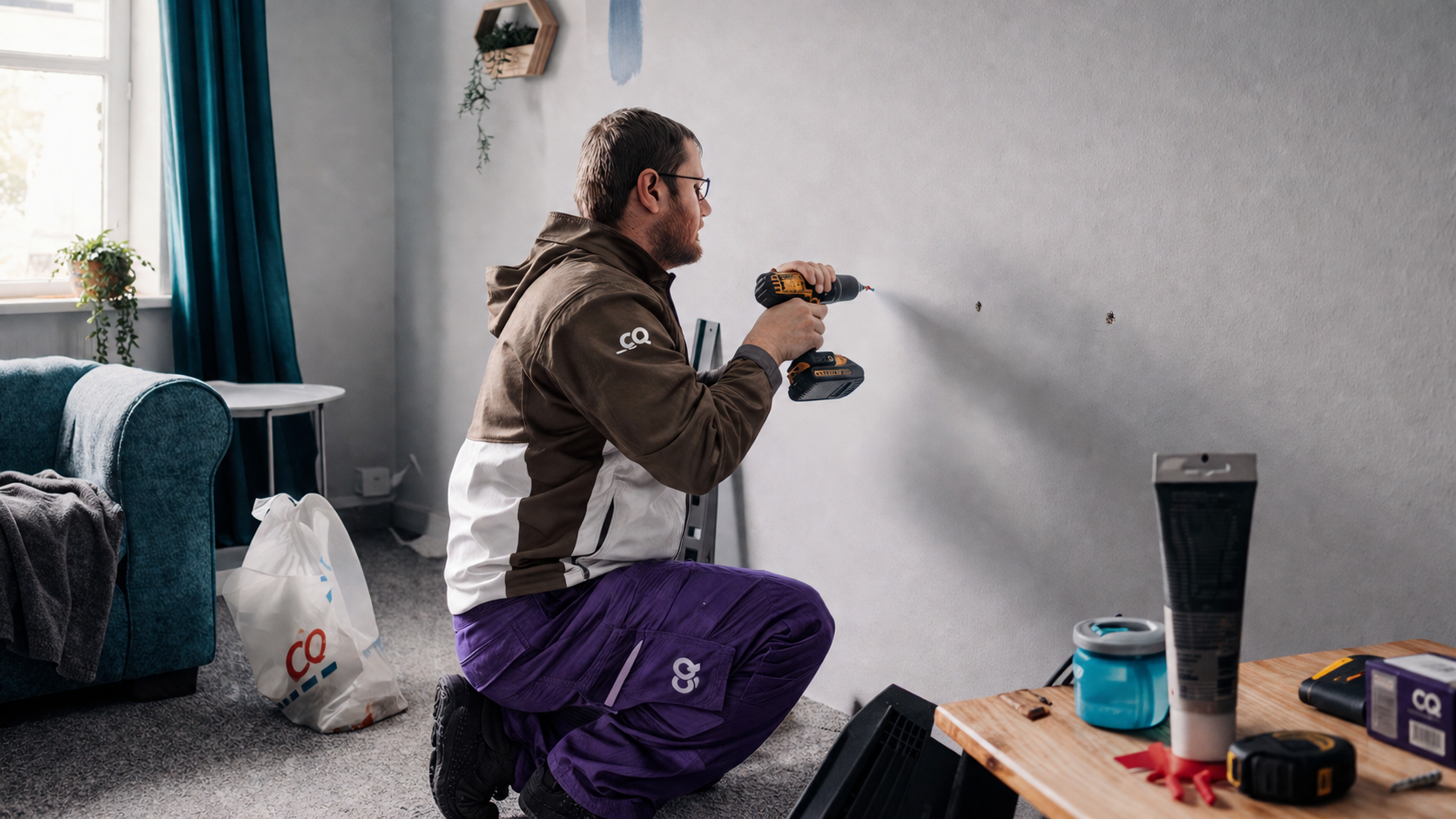
Some mistakes we see again and again when we're called in to put things right. The good news: almost all of them can be avoided with a little preparation. Here are the classics — and how to avoid them.
1. The wrong wall plug for the wall
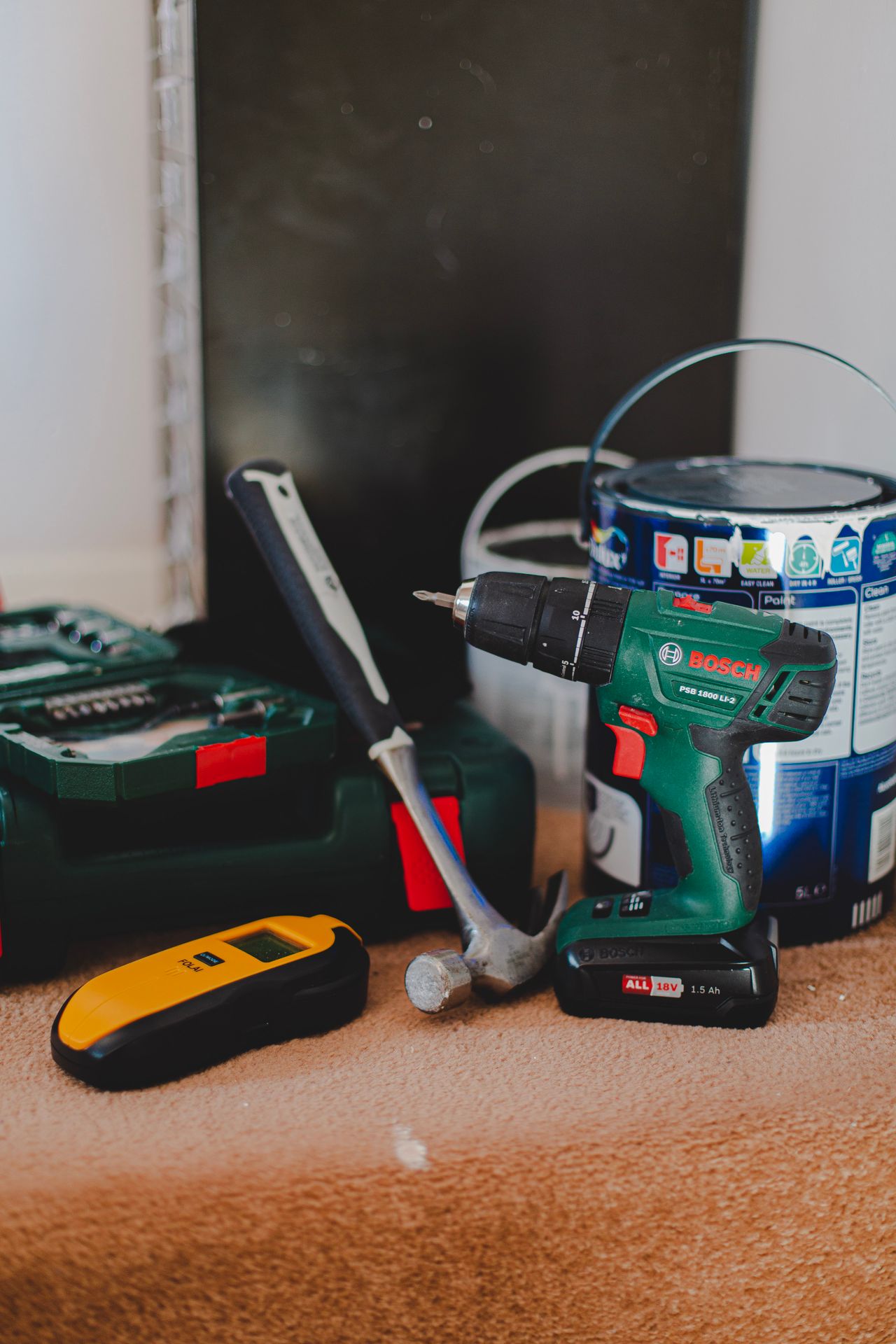
A universal wall plug isn't universal for every wall. In plasterboard or perforated brick it often only seems to hold — until the shelf is loaded. Before drilling, find out what the wall is made of: the drilling dust and resistance while drilling give good clues.
2. Drilling without checking for cables and pipes
Electrical cables and water pipes usually run vertically or horizontally from sockets, switches and taps. In old buildings and after renovations, however, you can't rely on that. A wire detector costs little and prevents expensive damage.
3. Swapped or reversed parts
Left and right side panels often look the same but differ in their holes. Pay attention to the rows of holes and the markings in the instructions. If you fit a part the wrong way round, you usually only notice three steps later.
4. Overtightened screws
With a cordless screwdriver on full power, a thread in chipboard is quickly stripped. Better to choose a low torque setting and finish tightening by hand.
5. Fronts not adjusted
Uneven gaps between doors aren't an assembly mistake but a missing final step. Modern concealed hinges can be adjusted in three directions: sideways, in height and in depth. Take a few minutes for this at the end.
6. Tall furniture not secured
The anti-tip fitting looks like an optional extra — but it isn't. Tall, narrow furniture always belongs fixed to the wall, especially in households with children.
Rather get it right first time?
We handle the installation professionally — including wall fixing and fine adjustment.